
When logistics stop – what happens? 🚚🌍
In the previous blog, we saw how logistics can start small – around a kitchen table – and grow to become part of global supply chains. But what happens when these logistics don’t work properly?
We live in a world where goods are constantly moving between countries, ports, warehouses and stores. When one part of the system stops, the consequences can be felt far beyond the local area.
A world connected

Modern logistics is a vast network of transportation, warehousing, technology and people. Goods are moved through:
intercontinental ship
intercity trucks
cross-country train
aircraft for fast deliveries
All of these modes of transport are connected in a large global logistics structure .
This makes the system effective – but also vulnerable.
Small disruptions can have big consequences

If a port is closed, a transport route blocked or a warehouse is short of goods, it can affect many other links in the chain.
Examples could be:
production delays
empty store shelves
increased transportation costs
longer delivery time to customers
This shows how important good planning and flexibility are in logistics.
Technology that keeps logistics moving
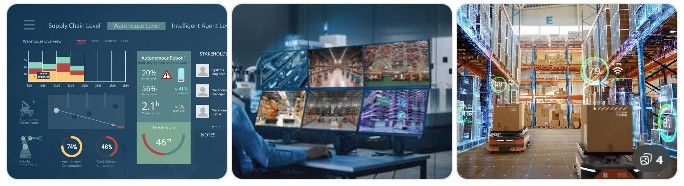
To handle the complexity of modern logistics, more and more technology is being used.
Companies use, among other things:
digital tracking systems
artificial intelligence for planning
automated warehouses
real-time data from transport and warehouse
Technology makes it possible to detect problems early and find alternative solutions.
Logistics of the future

Logistics will continue to develop in line with technology and new needs.
In the future we may see more of:
autonomous trucks
drone deliveries
more automated ports
greener transport solutions
The goal is to make logistics faster, more sustainable and more robust .
The same basic idea
Although logistics today is global and technologically advanced, it is still based on the same principles we know from everyday life:
planning
coordination
right resource in the right place
right time
What starts with organizing a family's everyday life is actually the same logic that keeps world trade going.
From the kitchen table – to the whole world.


Comments